

Ensuring Quality Through Rigorous Environmental Testing in Our QC/QA Lab
Ever wondered how the products you use every day stay safe, clean, and high-quality? A lot of it comes down to what happens in our QC/QA lab, where we carry out regular environmental testing to make sure everything in our factory is running smoothly and safely.
Here’s a closer look at the key environmental tests we perform:
Personal Hygiene Monitoring
Personal hygiene is crucial in preventing contamination in production areas. Our testing involves pressing fingertips of staff members onto agar contact plates to detect microbial contamination. These plates are then incubated for a specified period, after which the results are analyzed. This process verifies that the hygiene practices in place for our personnel are effective, helping prevent contamination before it can even reach our products.
Airflow Monitoring
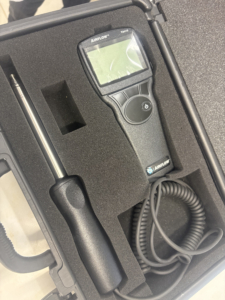 Proper airflow is essential in maintaining controlled environments. Using an airflow meter, we measure the speed of airflow in various rooms. These measurements help confirm that our HVAC Hepa filter systems are functioning correctly and are in compliance with Good Manufacturing Practice (GMP) standards. This keeps the air clean and the environment safe for both people and products.
Microbiological Water Testing
Water is used in many of our herbal medicinal products, so its purity is vital. Every week, water is tested from various points in the factory to make sure it’s free of harmful microorganisms. Clean water means safer products and peace of mind for our customers.
Cleanroom Monitoring
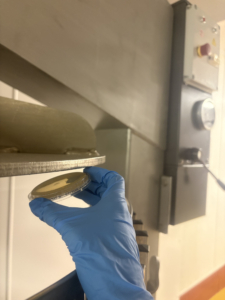
Some areas of our factory are specially designed process rooms, where even tiny dust particles or microbes could affect product quality. We regularly check surfaces, equipment, and the air to make sure cleaning procedures are effective. This ensures that every batch of our products meets the highest standards.
Microbiological Air Monitoring
Even the air can carry tiny organisms that we don’t want in our products. Using special microbiological monitoring techniques, we detect airborne microbes and confirm that our cleanrooms are performing as they should. Control plates are used to measure these bacteria, incubated for the relevant time periods and then read. Trending is carried out on this data and this adds another layer of safety and quality control.
Through these thorough environmental checks, our QC/QA lab acts as the backbone of product safety and quality. By monitoring everything from water and air to process rooms and personal hygiene, we protect both our team and patients while staying compliant with industry standards. Regular, proactive testing ensures every step of production meets the highest standards so you can trust the products you use every day.



