


The Use of Cover Crops at Rutland Biodynamics Herb Farm: Enhancing Soil Health
Cover crops have gained significant attention in sustainable agriculture due to their numerous benefits in improving soil health, biodiversity, and crop productivity. The Rutland Biodynamics Herb Farm, located in the picturesque county of Rutland in the East Midlands of England, is a leading example of how cover crops can be effectively utilised to enhance soil health. This farm, which focuses on organic and biodynamic practices, has incorporated cover crops into its farming methods to improve soil quality and support sustainable herb cultivation.
What Are Cover Crops?
Cover crops are a sacrificial crop planted in the soil to benefit the health of the soil between planting the herbs we grow for herbal medicine.
We use cover crops as they sequester CO2 from the air, add organic matter to the soil, add biodiversity to the farm, protect the soil over the winter and help to give the soil better structure pre planting. We believe healthy soils are better for the environment and produce higher quality herbs for your patients.
Before the advent of modern farming, cover crops were extensively used around the world as the only means of putting nutrients back into the soil between harvests.
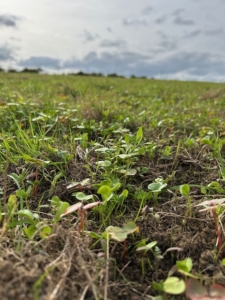
This year’s cover crop has just emerged to do it’s good work
The Role of Cover Crops at Rutland Biodynamics Herb Farm
At Rutland Biodynamics Herb Farm, cover crops play a crucial role in maintaining and improving soil health. The farm cultivates various medicinal and culinary herbs, which require specific soil conditions to thrive. By using cover crops, the farm ensures that the soil remains fertile and healthy, providing an optimal growing environment for herbs such as Chamomilla recutita, Echinacea purpurea, and Valeriana officinalis
Here are some of the specific ways in which cover crops are used at the farm to enhance soil health:
1. Improving Soil Structure and Reducing Erosion:
Cover crops like rye and oats are planted to protect the soil from erosion caused by wind and water. These crops help to hold the soil in place with their dense root systems, preventing soil particles from being washed or blown away. Additionally, the roots of cover crops create channels in the soil, which improve water infiltration and aeration, thereby enhancing the soil structure.
2. Enhancing Soil Fertility:
Leguminous cover crops, such as clover and vetch, are known for their ability to fix nitrogen from the atmosphere and convert it into a form that plants can use. At Rutland Biodynamics Herb Farm, these nitrogen-fixing cover crops are incorporated into the crop rotation plan to naturally increase the nitrogen content of the soil. This reduces the need for synthetic fertilisers, promoting a more organic and sustainable approach to farming.
3. Suppressing Weeds and Reducing Pest Pressure:
Cover crops can effectively suppress weeds by competing for light, water, and nutrients, creating a natural barrier that prevents weed seeds from germinating. Mustard and radish, used as cover crops at the farm, also have biofumigant properties, releasing natural compounds that can reduce soil-borne pests and diseases. This reduces the reliance on chemical pesticides, aligning with the farm’s commitment to biodynamic and organic farming practices.
4. Boosting Soil Organic Matter and Microbial Activity:
When cover crops are terminated and incorporated into the soil, they decompose and add organic matter, which is crucial for soil health. This process improves soil texture, water retention, and nutrient availability. Furthermore, the decomposition of cover crops stimulates microbial activity in the soil, promoting a healthy and balanced ecosystem that benefits the growth of subsequent herb crops.
5. Promoting Biodiversity:
Rutland Biodynamics Herb Farm emphasises biodiversity both above and below the soil surface. By planting a diverse range of cover crops, the farm supports a wide array of beneficial insects, birds, and soil organisms. This biodiversity helps to maintain ecological balance, providing natural pest control and promoting pollination, which are essential for a healthy farm ecosystem.
Challenges and Considerations
While the benefits of cover crops are numerous, there are also challenges to their implementation. Cover crops require careful management, including proper selection, planting, and termination to ensure they do not compete with main crops for resources. Timing is crucial, as cover crops need to be planted and terminated at the right times to maximise their benefits and minimise any negative impact on the primary crops.
Rutland Biodynamics Herb Farm addresses these challenges through careful planning and adherence to biodynamic principles, which involve working in harmony with natural rhythms and cycles. By doing so, the farm maximises the benefits of cover crops while minimising potential drawbacks.
We use a diverse mix of seeds for our cover crops. Each seed is designed to benefit the soil in a different way. The deep roots of the oil radish take the place of metal cultivators and break up the soil. Phacelia roots help to create a fine tilth at the soil surface. Berseem clover will add Nitrogen to the soil. Buckwheat grows fast thereby suppressing weeds. It also has fibrous roots which enhance the soil structure and the plant also extracts phosphorus from the soil, making it available to the following medicinal herb.
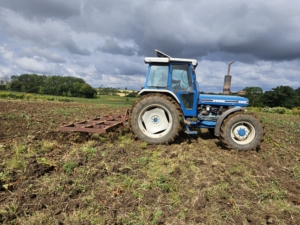
Using a heavy drag, instead of inverting the soil with a plough, in order to create a seed bed for the cover crop whilst trying to limit the negative impact on the soil
Conclusion
The use of cover crops at Rutland Biodynamics Herb Farm exemplifies a commitment to sustainable farming practices that enhance soil health and support the production of high-quality herbs. By incorporating a diverse range of cover crops into their farming systems, the farm not only improves soil structure, fertility, and biodiversity but also aligns with organic and biodynamic principles that prioritise ecological balance and sustainability. As more farms across the UK and beyond look to adopt sustainable practices, the example set by Rutland Biodynamics Herb Farm provides valuable insights into the role of cover crops in creating a resilient and productive agricultural system.
Sowing cover crop seed
Rolling the cover crop seed into the soil. This is important to create good soil to seed contact in order to promote germination.
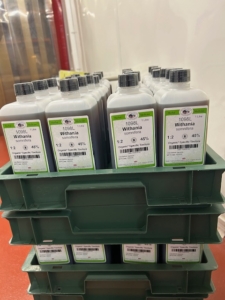
Withania Somnifera – back in stock
After the unusually dry spring, we are pleased to announce that the Withania somnifera did extremely well. It has now been harvested, macerated, pressed, QC tested, bottled and is ready for sale on our webshop.
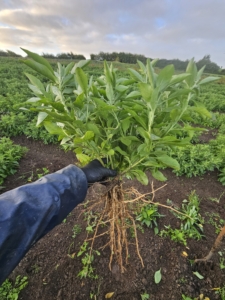
Freshly harvested Withania somnifera. There is no medical purpose for the tops. However, we use them as green manure to enrich the soil for the subsequent herb.
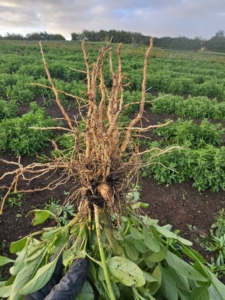
Withania root ready for washing and same day macerating. This is the part of the herb we use for our fresh organic tinctures.
From field to bottle



