


Weeding – A Necessary Practice on a Biodynamic Farm
Biodynamic farming is built on the principle of nurturing healthy soils, resilient plants, and balanced ecosystems. While much of the conversation around biodynamics focuses on compost preparations, lunar calendars, and soil vitality, one practical task remains absolutely essential to the success of every biodynamic operation: weed control.
Unlike conventional systems that may rely heavily on chemical herbicides, biodynamic farms depend on physical, mechanical, and ecological methods to manage weeds. This makes weeding one of the most labour-intensive, yet critically important, parts of the growing season.
Effective weed control is not simply about keeping fields tidy. It directly impacts crop health, product quality, harvest efficiency, and ultimately the integrity of the biodynamic system itself.
Why Weed Control Matters
- Weeds compete aggressively with crops for essential resources such as:
- Sunlight
- Water
- Soil nutrients
- Root space
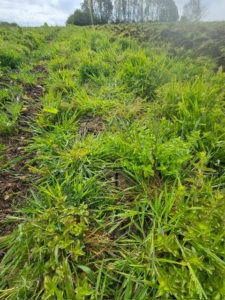
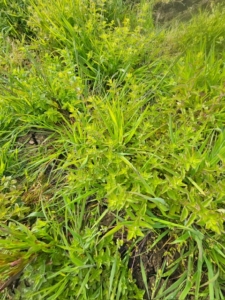
Before weeding – weeds competing with the herbs
In biodynamic farming, where soil fertility is carefully nurtured through composting, crop rotations, and natural preparations, allowing weeds to dominate means valuable nutrients are diverted away from the intended crop.
Young plants are especially vulnerable. Early weed pressure can reduce vigour, stunt development, and lower yields significantly. In medicinal herb production, where plant quality and potency are paramount, this competition can directly affect the strength and consistency of the final product.
2. Pre-harvest weed management is particularly important on farms producing tinctures, herbal extracts, or medicinal preparations.
If weeds are harvested alongside the crop, there is a risk of:
- Cross contamination
- Unwanted plant material entering production
- Reduced purity of tinctures and extracts
- Difficulties during processing and drying
For biodynamic producers committed to purity and traceability, maintaining clean crop rows before harvest is essential.
Existing Weed Control Methods at Rutland Biodynamics
Biodynamic farms often combine several methods depending on crop type, soil conditions, and scale of production.
- Brush Weeding behind the tractor
Brush weeders are highly effective for inter-row weed management. Rotating brushes disturb young weeds without heavily compacting the soil, making them suitable for delicate crops.
Benefits include:
- Reduced soil disturbance compared to aggressive cultivation
- Effective removal of young weeds
- Improved aeration of the soil surface
- Lower reliance on manual labour in larger plantings
- speed, which is important to us as we have 15 acres of herbs
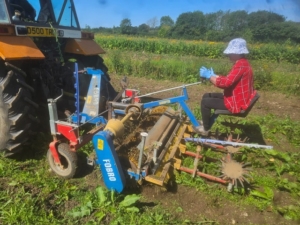
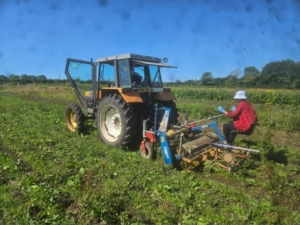
Brush weeder in action
Film of Brush weeder
Timing is critical. Brush weeding works best when weeds are still small and before they become deeply established. The biggest limitation of inter row brush weeding is that you cannot weed within the row of herbs, only between the row. Therefore, manual labour is still required, which nicely brings us onto………….
2. Hoeing
Hoeing remains one of the most reliable and widely used techniques on biodynamic farms. Hand hoeing, while labour-intensive, allows for precision around sensitive plants and is particularly valuable in diversified herb production systems. It is tiring and expensive, but always necessary.
Benefits include
- Breaks weed growth cycles
- Loosens surface soil
- Improves water penetration
- can go in within the row of plants and not just inter row.
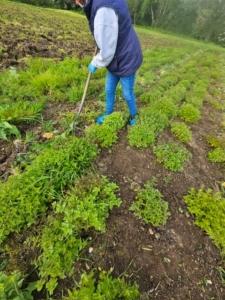
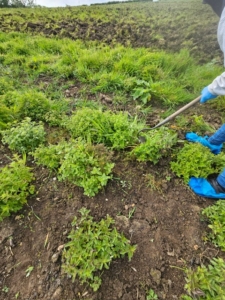
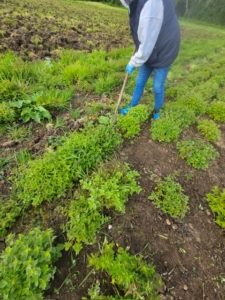
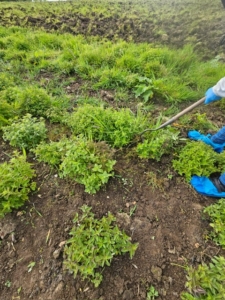
Hoeing in action leaving the Oregano some space to flourish
Looking ahead: Cornstarch sheets as a biodegradable solution
As biodynamic farms continue searching for sustainable alternatives to plastic mulches and repeated cultivation, biodegradable cornstarch sheets are emerging as a promising option.
These sheets can be laid onto the seed bed prior to planting. The planting machine then pushes the plants through the sheets. The aim is to suppress weed growth naturally while gradually decomposing into the soil over time. Crucially, these sheets are totally Biodegradable and will disappear into the soil over the winter.
We have done some trials with the sheets.
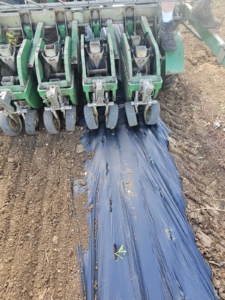
Laying corn starch sheets
Potential benefits include:
- Reduced weed germination
- Lower manual labour requirements
- Improved soil moisture retention
- Elimination of plastic waste
- Compatibility with regenerative farming principles
For biodynamic systems focused on ecological balance, biodegradable mulching materials could offer an important step forward — particularly for farms seeking to reduce cultivation passes and soil disturbance.
However, practical considerations remain, including:
- Material durability
- Cost effectiveness
- Performance in wet conditions
- Breakdown timing during the growing season
Field trials and long-term observation will help determine how effectively cornstarch-based materials integrate into biodynamic production systems. Hopefully by this time next year we should know how good they are!
Balancing Ecology and Practicality
Weed control on a biodynamic farm is ultimately about balance. The goal is not sterile, lifeless fields, but rather creating conditions where cultivated crops can thrive without excessive competition.
By combining traditional techniques such as hoeing and brush weeding with innovative biodegradable materials, biodynamic farms can continue developing weed management systems that support both productivity and ecological integrity.
In biodynamic agriculture, every task contributes to the wider health of the farm organism — and weeding is no exception.
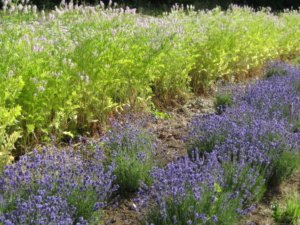
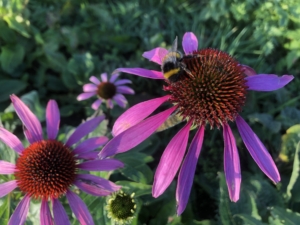
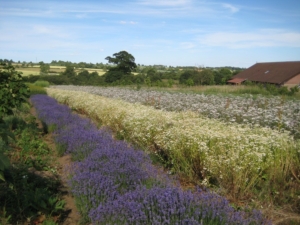
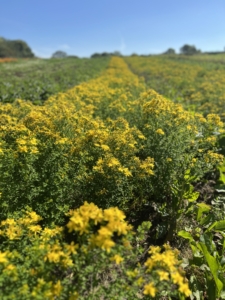
And finally…….
We are also starting to harvest. Recently we have brought in some Urtica. So we are offering 10% off Urtica from now until the end of June.
Click here to buy Urtica dioica – Rutland Biodynamics
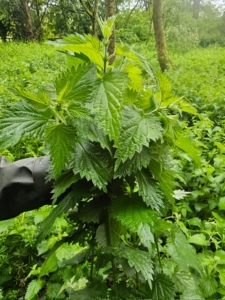
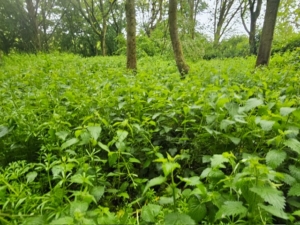
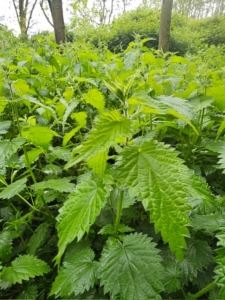
Urtica pre harvest on our Biodynamic farm
A reminder – we are not taking orders Friday 22 May as we are doing a complete stock check. Please do place orders as normal and we will process them on Tuesday 26th for next day delivery.



