

European Herb Growers Association (EUROPAM) AGM Hungary 2026
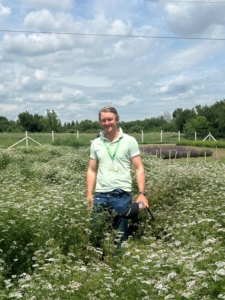
At the start of June, I had the great pleasure to attend the EUROPAM AGM in 2026. This association brings together European herb farmers, buyers, processors and end users of a huge variety of herbs and spices.
Driven by a desire to promote sustainability and biodiversity, EUROPAM’s main goal is to promote optimum legislation for the production of perfumery, medicinal and aromatic plant raw materials. They provide expertise and scientific information concerning issues of good agricultural and wild collection practices (GACP) as focal point for stakeholders on the European level. Furthermore, they help their members to better fulfil legal and GACP criteria.
Collaboration and cooperation is the real key to the group. A diverse selection of experts who are passionate about herbs get together a few times a year and just talk with each other. It is such a valuable knowledge exchange of the industry’s leading minds, that I find it invaluable. There is something deeply grounding about gathering with people who care about medicinal plants not simply as commodities, but as living expressions of land, culture, and craft. That spirit was very present at this year’s EUROPAM AGM in Hungary, where growers, processors, traders, and advocates from across Europe came together to discuss the future of herbs in human health..
For us, as biodynamic growers of medicinal herbs, attending the AGM was more than an industry event. It was a chance to listen, learn, and strengthen connections with others working to protect the integrity of herbal supply chains – from seed and soil right through to practitioner dispensary shelves.
Why EUROPAM matters
EUROPAM plays an important role in representing the interests of the European herbal and natural products sector. Its work helps keep medicinal plants firmly on the agenda in conversations around regulation, trade, quality, sustainability, and market access.
For Herbal Practitioners, this matters directly. The conversations taking place at European level shape the availability, quality, traceability, and compliance landscape of the herbs you rely on in practice. Events like the AGM offer a valuable window into where the sector is heading, and what pressures and opportunities may lie ahead.
A Hungarian setting with strong herbal roots
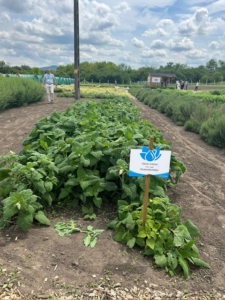
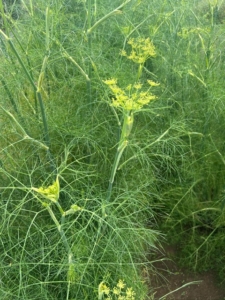
Hosting the AGM in Hungary felt especially fitting. Hungary has a rich tradition of medicinal plant growing and use, with longstanding knowledge of herb cultivation, collection, and processing. Being there was a reminder that Europe’s herbal sector is built not only on regulation and commerce, but on generations of relationship with the healing plants themselves. This year we were lucky enough to visit some of Hungary’s best herb producers and processors including this amazing herb R&D facility about an hour from Budpaest.
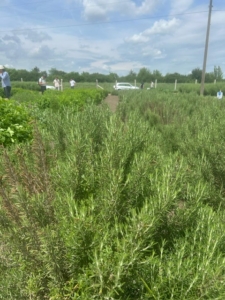
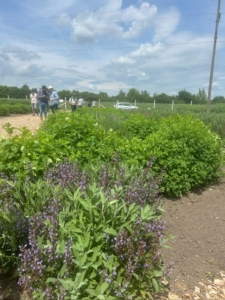
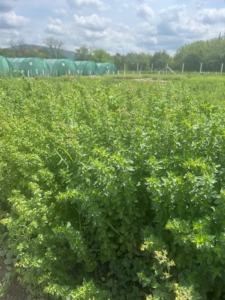
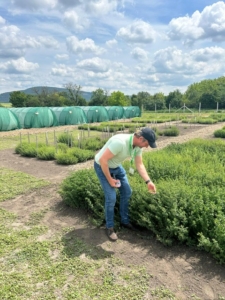
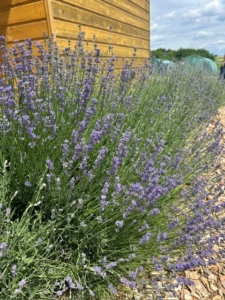
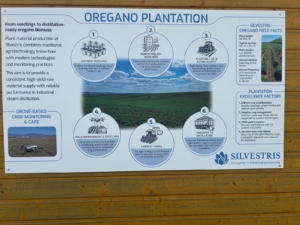
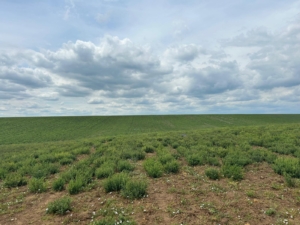
And we saw some Oregano, grown on a big scale, like in this 120 acre Oregano field.
Key themes from the meeting
Several themes stood out over the course of the AGM.
1. Quality begins in the field
One of the clearest threads running through the discussions was that quality cannot be added at the end of the process. It begins with cultivation methods, soil health, seed integrity, biodiversity, harvesting practice, and post-harvest handling.
This is something we care deeply about in biodynamic herb growing. For practitioners, the quality of a tincture, tea, or dried herb is inseparable from how the plant was grown. Potency, vitality, aroma, and consistency all have their roots in the field.
This year we had some detailed talks about sustainable ideas around the never ending problem of controlling weeds in organic herb production. This is a subject which is close to my heart and something over which I regularly lose sleep. Hopefully we will be able to trial some of these ideas over the coming months in order to help boost the health and yield of our medicinal herbs.
Soil health was also, once again a hot topic of debate. Trying to reduce our cultivations, whilst also accepting the need for some cultivations, and acting to mitigate the negative effects of these actions, are essential if we are to improve soil health and thereby plant health and eventual efficacy of our fresh herbal tinctures.
Healthy soil leads to nutrient dense plants which should make the medicine we make more effective – Food and Agriculture Organization of the United Nations show this is the case for food.
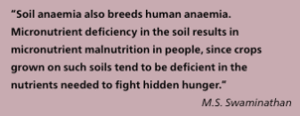
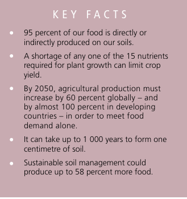
Soil Health and Nutrient Density; Beyond Organic vs Conventional farming by David R Montgomery, University of Washington

Therefore, this is a really important topic for our Biodynamic farm. Discussing it with other herb growers that are also passionate about this subject, alone made the trip well worth it.
2. Supply chain resilience is now essential
There was also strong recognition that the herbal sector must continue building resilient and transparent supply chains. Climate pressure, changing regulations, labour challenges, and shifting market demand are affecting medicinal plant production across Europe.
For practitioners, resilience is not an abstract concept. It affects whether the herbs you depend on remain available, whether substitutions become necessary, and whether quality can be maintained from season to season. Strong relationships between growers, processors, suppliers, and practitioners are increasingly important.
3. Sustainability must remain meaningful
Sustainability was, unsurprisingly, a major point of discussion. What felt encouraging was the shared sense that sustainability must mean more than a marketing phrase. It must include soil fertility, biodiversity, water stewardship, fair working conditions, and long-term viability for growers.
From our perspective, biodynamic cultivation has an important role to play here. It asks us to view the farm as a living system and to work in a way that supports ecological balance, not just yield. In a medicinal herb context, that feels especially relevant.
4. Advocacy remains vital
The AGM also highlighted the importance of clear, united advocacy for the herbal sector. Regulatory and policy decisions made at national and European levels can have significant consequences for growers, manufacturers, and ultimately practitioners and patients.
A strong collective voice helps ensure that the realities of medicinal plant production are understood by decision-makers – and that the sector is not shaped solely by systems designed for other kinds of agricultural or pharmaceutical production.
What we brought home
We left Hungary feeling encouraged by the level of commitment across the sector. There was realism, certainly, about the challenges ahead. But there was also a strong sense of shared purpose: to protect medicinal plant quality, support sustainable production, and keep traditional and professional herbal practice supplied with integrity.
For our team, the visit reaffirmed several things we already hold close:
- Healthy soil is the foundation of effective medicinal herb production.
- Transparency matters more than ever.
- European herb growing needs support if we are to maintain quality and resilience.
- Practitioner relationships are central to a healthy herbal ecosystem.
Why this matters to practitioners
As Herbal Practitioners, you work at the point where all of this comes together. Behind every tincture formula, dispensary jar, and dried herb prescription is a much wider story of cultivation, harvest, processing, regulation, and care.
Attending the EUROPAM AGM reminded us that your work and ours are closely linked. When medicinal herbs are grown with integrity, handled with skill, and supported by a strong professional network, the benefits reach all the way to the people seeking herbal care.
That connection between grower and practitioner is something we value deeply, and it is one of the reasons gatherings like this matter so much.
Looking ahead
The future of herbal medicine in Europe will depend on collaboration – between growers, practitioners, processors, educators, and trade bodies alike. Our time in Hungary reinforced that this collaboration is alive and well, and that there is real dedication across the sector to doing things properly.
We were grateful to be part of the conversation, and we returned with renewed commitment to growing medicinal herbs in a way that honours the land, the plants, and the practitioners who trust us with their supply.
From the soil to the clinic, quality begins long before the herb reaches the shelf.
We now have dried Salvia in stock. Please click here to purchase Salvia officinalis – Rutland Biodynamics
Also, we are putting the Sambucas 1:1 on sale. Please click here to purchase Sambucus nigra – Rutland Biodynamics
SAFE
SUSTAINABLE
EFFECTIVE



