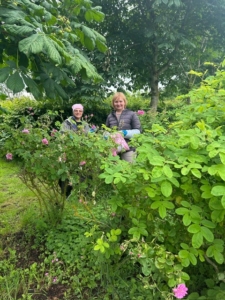



Sustainable herbal medicine production is becoming increasingly important as demand for herbal medicines, botanical extracts and herbal tinctures continues to grow. Responsible production starts with how medicinal herbs are cultivated and extends through harvesting, extraction, manufacturing and quality control. At Rutland Biodynamics, we combine biodynamic farming, sustainable medicinal herb cultivation and cGMP manufacturing to create a transparent farm-to-bottle approach to herbal medicine.
Our biodynamic farm grows around 80 medicinal herbs, which are harvested when ready and, where appropriate, macerated on the same day. Because our cGMP herbal medicine manufacturing facility is located on the same site as our farm, we can maintain close control and traceability throughout the production process.
This integrated approach allows us to focus on sustainability, traceability, quality and responsible herbal medicine manufacturing, while reducing unnecessary transportation between the cultivation and manufacturing stages.
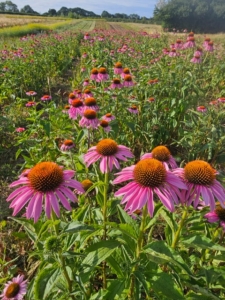
Healthy soil, healthy plants
Sustainable herbal medicine begins with the soil. The health of the soil has a direct relationship with the health of the plants growing in it. By taking a long-term approach to soil management and biodiversity, we aim to create a healthy growing environment for our medicinal herbs while protecting the land for future crops.
For us, sustainability is not simply about reducing environmental impact. It is about creating a farming system that can continue to produce high-quality medicinal plants year after year.
Growing around 80 medicinal herbs
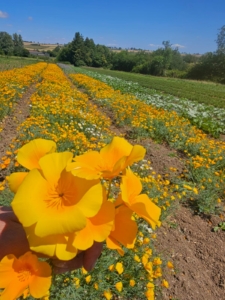
At Rutland Biodynamics, we grow around 80 different medicinal herbs on our biodynamic farm. Growing our own herbs gives us a much greater understanding of where our raw materials originate. We know what has been grown, where it has been grown and when it is ready to harvest. This level of control is particularly valuable when producing herbal tinctures, where the quality and condition of the starting plant material are fundamental to the finished product.
Harvesting when the plant is ready
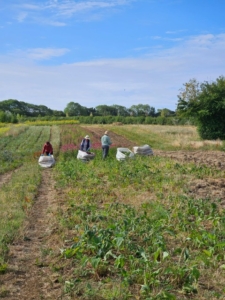
Plants do not all follow the same timetable. Our herbs are harvested when they are ready, taking into account the individual characteristics and growing cycle of each plant. This approach allows us to work with the natural rhythm of the crop rather than treating harvesting as simply another scheduled production process.
For medicinal herbs, the timing of harvest can be an important consideration in obtaining suitable plant material for processing.
From field to tincture on the same site
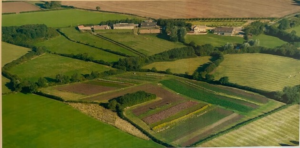
One of the unique advantages of Rutland Biodynamics is that our biodynamic farm and cGMP manufacturing facility are located together. Where appropriate, freshly harvested herbs can be macerated on the same day they are picked. This means the journey from field to manufacturing process can be extremely short. Instead of freshly harvested plant material travelling through a long supply chain before processing, it can move directly from our fields into our manufacturing facility. For our fresh herbal tinctures, this farm-to-tincture approach is central to what we do.
Traceability from field to bottle
Sustainability and traceability are closely connected. When raw materials pass through multiple suppliers and locations, it can become increasingly difficult to maintain complete visibility of their journey. Our integrated approach is different. Because we grow many of our own medicinal herbs and manufacture our tinctures on site, we can maintain close oversight of the process from cultivation and harvesting through to extraction, manufacture and quality control. This gives our customers greater confidence in knowing where their herbal medicine has come from.
Reducing unnecessary transportation
Having the farm and manufacturing facility on the same site also helps minimise unnecessary transportation of freshly harvested botanical material. The shorter the journey between harvesting and processing, the more closely connected the manufacturing process remains to the original source of the plant. It is one example of how sustainability can be built into the structure of a production system rather than added as an afterthought.
cGMP manufacturing and quality control
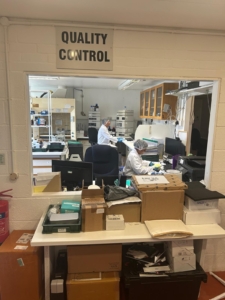
Sustainability is important, but it must go hand in hand with quality and safety. Our herbal tinctures are manufactured in our own cGMP facility, providing a controlled environment for production. Our on-site quality control laboratory also allows batches to undergo testing before they are released for sale. This combination of responsible cultivation, controlled manufacturing and quality testing allows us to approach herbal medicine production as one connected process rather than a series of disconnected stages.
A complete farm-to-bottle approach
For us, sustainable herbal medicine production can be summed up simply:
Healthy soil → healthy plants → responsible harvesting → rapid processing → cGMP manufacturing → quality testing → traceable herbal medicine.
Each stage contributes to the final product. By combining biodynamic farming with cGMP manufacturing on the same site, Rutland Biodynamics has developed a unique approach to herbal medicine production that places sustainability, traceability and quality at the heart of the process.
As demand for herbal medicines continues to grow, we believe it is increasingly important to consider not only what is in a herbal product, but also how the plants were grown, where they came from and how they were processed. At Rutland Biodynamics, we are working to demonstrate that sustainable farming and high-quality, controlled herbal medicine manufacturing can work together — from the soil beneath our feet to the finished bottle.
Rutland Biodynamics — from field to bottle, with sustainability and traceability at the heart of herbal medicine production.